
Garden & Gardening
Horticultural Architecture & Flora TelemetryAnalytical Flora Identification & Edible Garden Architecture
Systematic botanical classification separating nutrient-dense wild flora from toxic lookalikes while integrating forage-ready perennial beds into high-end ornamental gardens.
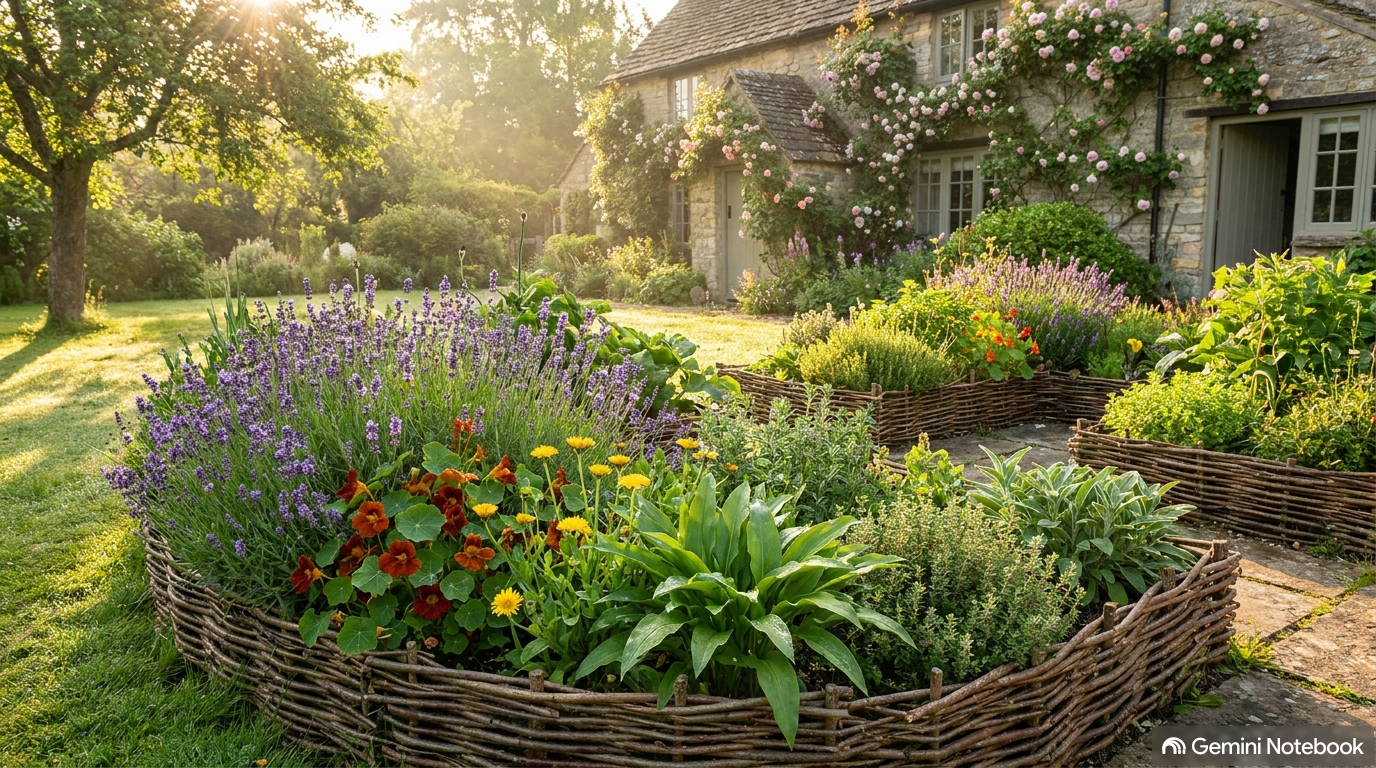
I. Critical Field Verification: Edible vs. Toxic Lookalikes
Direct anatomical benchmarks preventing dangerous lookalike confusion in UK borders and hedgerows.
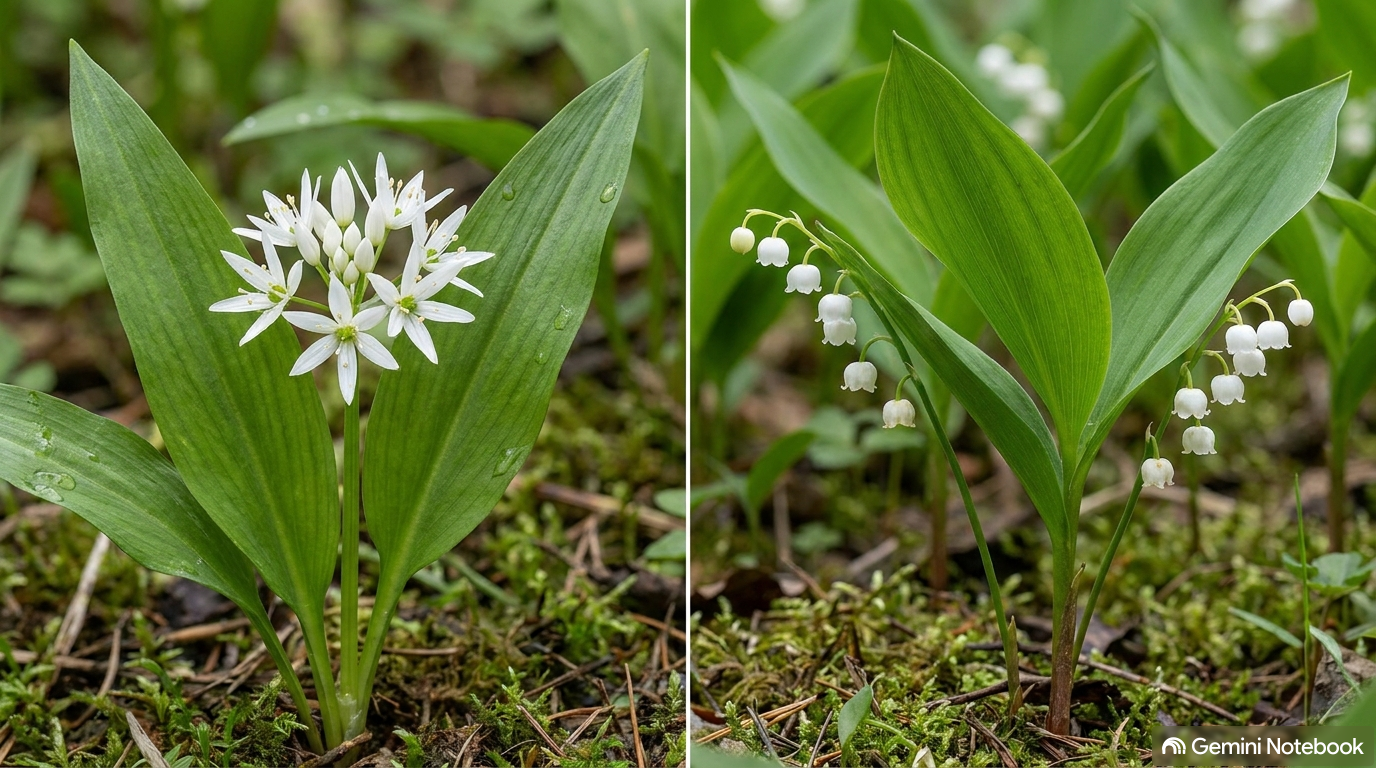
- Wild Garlic (*Allium ursinum*) Single leaf per stem, pungent garlic scent, star umbel blooms.
- Lily of the Valley (*Convallaria majalis*) Paired leaf sheath, sweet fragrance, toxic cardiac glycosides.
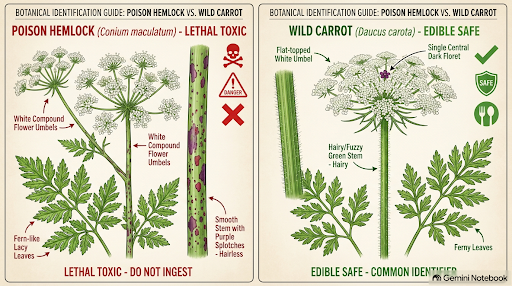
- Poison Hemlock (*Conium maculatum*) Smooth stem with distinct purple splotches, hairless, mouse-like odor.
- Wild Carrot (*Daucus carota*) Hairy/fuzzy green stem, central dark purple floret in bloom, carrot scent.
| Diagnostic Marker | Wild Garlic (Allium ursinum) | Lily of the Valley (Convallaria majalis) |
|---|---|---|
| Stem Emergence | Single slender leafless petiole emerges directly from root base. | Paired leaves roll tightly together forming a basal cylindrical sheath. |
| Leaf Consistency | Soft, flexible, tender foliage easily bruised between fingers. | Stiff, erect, leathery foliage maintaining structural shape. |
| Flower Anatomy | Spherical terminal umbel containing numerous star-shaped white blossoms. | One-sided arching raceme with nodding, bell-shaped porcelain blossoms. |
| Toxicological Profile | Safe: Rich in allicin, bioflavonoids, Vitamin A, and chlorophyll. | Lethal: Concentrated cardiac glycosides (convallatoxin) causing cardiac arrhythmia. |
II. Botanical Analysis & Identification Pillars
A three-part framework linking biochemical utility, soil mechanics, and structural landscape integration.

Edible vs. Toxic Matrices
Side-by-side morphological breakdown separating beneficial wild flora from lethal domestic lookalikes in British ecosystems.
- Primary Comparison: Wild Garlic vs. Lily of the Valley
- Secondary Hazard: Hemlock Water-Dropwort vs. Wild Carrot
- Physical Protocol: 5-point stem, vein, and petiole cross-check
Nutritional & Chemical Profiling
Evaluating mineral density, bio-accumulator properties, and organic compound profiles of beneficial native wild plants.
- Key Species: Dandelion, Stinging Nettle, Purslane, Chickweed
- Soil Diagnostics: Bio-accumulator weed soil testing indicators
- Cultivation Value: High-potency organic mulch integration
Aesthetic Integration & Beds
Designing ornamental garden schemes that incorporate wild perennial edibles without compromising visual order.
- Design Strategy: Layered permaculture micro-zones
- Pet Isolation Zones: Physical border separation for toxic ornamentals
- Harvest Balance: 12-month visual continuity and crop yields
III. Field Reference Architecture & Methodology
Direct anatomical diagnostics engineered for real-time decision-making in domestic and estate gardens.
Empirical Field Utility vs. Marketing Rhetoric
Rigorous Morphological Separation Before Culinary Use
Standard horticultural books emphasize glossy floral photography, skipping the physical boundaries needed to separate wholesome forage from acute toxins. This manual reverses that structure.
By evaluating petiole geometries, vascular sheath patterns, sap oxidation speeds, and taproot structures before discussing kitchen utility, the guide sets an objective safety margin for UK domestic and rural environments.
- Clear Diagnostic Framework: Rapid decision trees for wild foraging and pet safety.
- 13-Page Comprehensive Core: Seven primary plant families, toxic lookalike vectors, thermal deactivation rules, and pet isolation design.
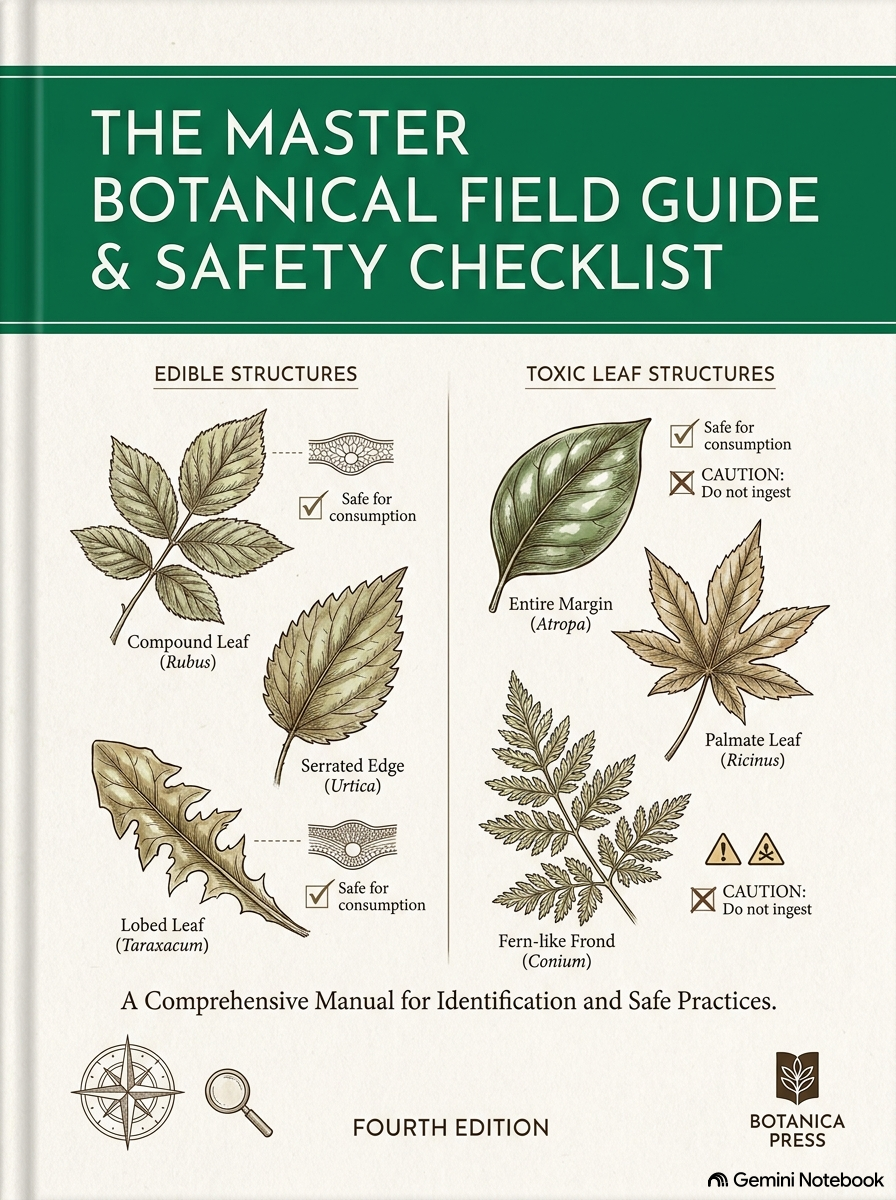
IV. Field Action Tools & Master Reference Book
The Master Botanical Field Guide & Safety Reference Manual (13 Pages)
A 13-page technical reference manual engineered to prevent toxic plant misattribution during field identification. Built on side-by-side morphological comparison matrices, chemical deactivation protocols, and structural permaculture garden layouts.
Download Master Reference (£8.00) →About Garden and Gardening
Operated under the stewardship of Garden and Gardening in Tiverton, Devon, this portal applies systematic data auditing to botany, wild flora identification, and garden architecture across South West England and the UK.